

How To Change Sticky Blood Dr Axe Youtube
Evidence Based
This Dr. Axe content is medically reviewed or fact checked to ensure factually authentic information.
With strict editorial sourcing guidelines, nosotros only link to academic research institutions, reputable media sites and, when enquiry is available, medically peer-reviewed studies. Note that the numbers in parentheses (1, two, etc.) are clickable links to these studies.
The information in our articles is Non intended to supersede a 1-on-one relationship with a qualified health intendance professional and is not intended every bit medical advice.
This article is based on scientific prove, written by experts and fact checked past our trained editorial staff. Note that the numbers in parentheses (1, ii, etc.) are clickable links to medically peer-reviewed studies.
Our squad includes licensed nutritionists and dietitians, certified health teaching specialists, too as certified strength and conditioning specialists, personal trainers and corrective do specialists. Our team aims to be non merely thorough with its inquiry, only also objective and unbiased.
The information in our articles is Non intended to replace a 1-on-one relationship with a qualified wellness care professional and is non intended as medical advice.
Peripheral Vascular Affliction + ten Salubrious Lifestyle Changes
November 6, 2017
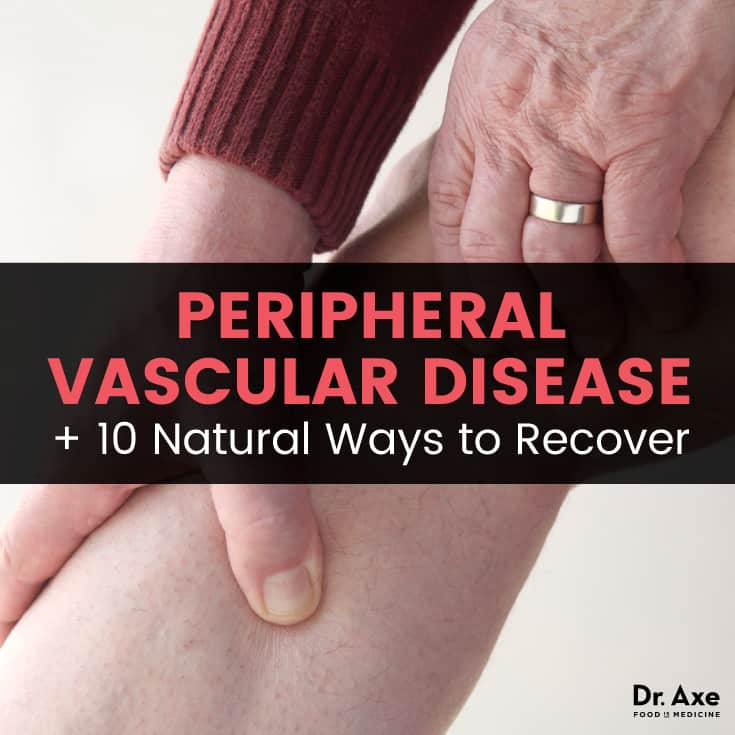
Peripheral vascular disease is disease or damage in blood vessels other than (peripheral to) those in the heart or encephalon. (1) It is known past several names, including its medical abbreviation PVD and peripheral venous disease. Although some people utilise PVD interchangeably with peripheral artery disease (or PAD), the two are not quite the same (keep reading to find out why!).
Despite the departure, about statistics on how common peripheral vascular disease is really measure peripheral artery disease. And it's quite mutual. An estimated eight.5 meg Americans accept PAD, including up to 1 in every 5 people aged 60 or older. Left untreated, PAD tin can pb to gangrene, limb amputation, heart attack and stroke. (3)
Thankfully, these diseases are preventable and treatable. People at the highest risk of developing peripheral vascular affliction, or its complications, should showtime taking activity sooner rather than later to subtract their chances of a diagnosis. And although the steps for natural prevention and treatment of PVD and PAD are simple to list, there is a reason for the phrase "Easier said than done." Fugitive or overcoming vascular disease takes a long-term commitment to a healthy lifestyle.
What Is Peripheral Vascular Disease?
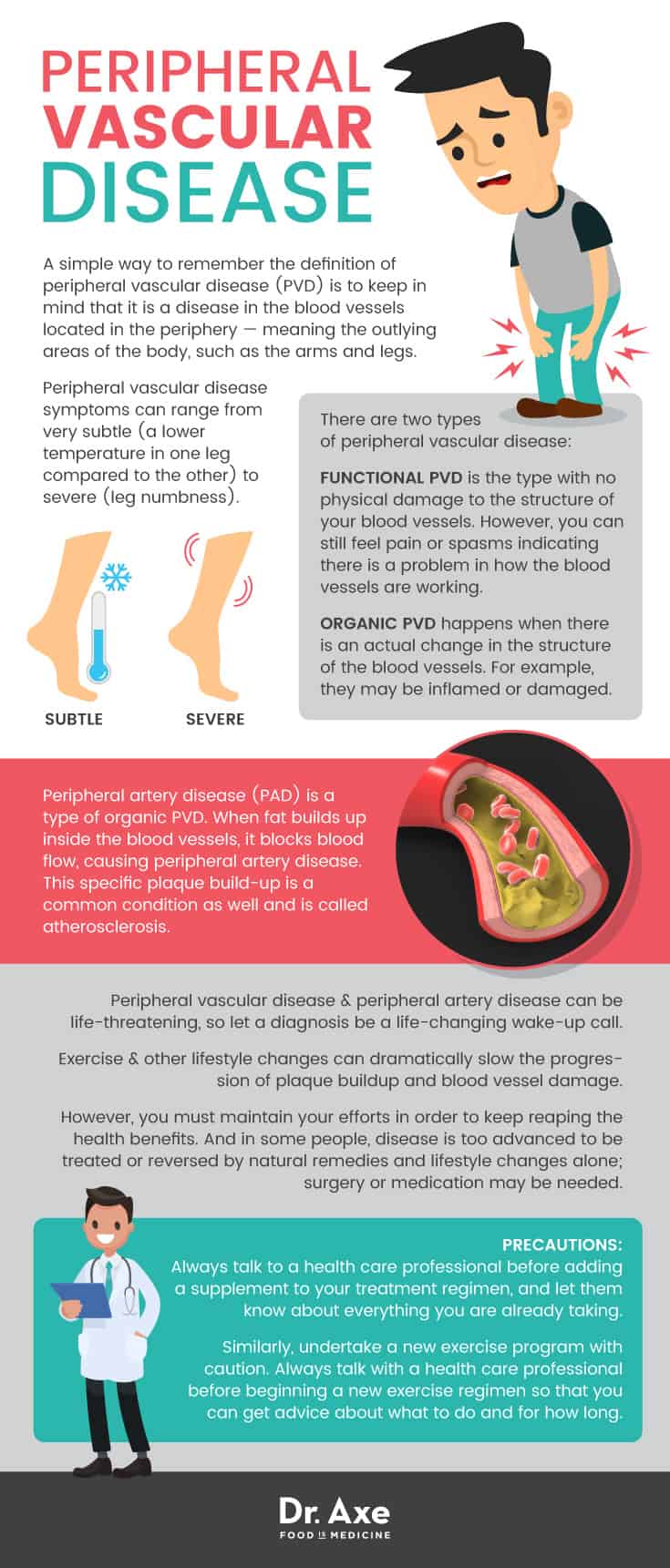
What is a basic definition of peripheral vascular disease, you may ask? A unproblematic way to call up the peripheral vascular disease definition is to remember that it is disease in the blood vessels in the periphery — meaning the outlying areas of the body, such every bit the arms and legs. (4)
In that location are two types of peripheral vascular disease: functional and organic.
- Functional PVD is the type with no concrete damage to the structure of your blood vessels. Withal, you can nonetheless feel pain or spasms indicating there is a problem in how the blood vessels are working.
- Organic PVD happens when there is an bodily change in the structure of the blood vessels. For example, they may exist inflamed or damaged.
Peripheral artery disease is a type of organic PVD. When fat builds upwardly inside the blood vessels, it blocks claret menses, causing peripheral artery illness. (5) This specific plaque build-upwards is a common status likewise and is called atherosclerosis.
Peripheral vascular affliction pathophysiology (abnormal changes) oft involves the narrowing of blood vessels. The most common vessels afflicted are in the arms, legs, stomach and kidneys. (6) When PAD narrows these blood vessels, blood has trouble reaching your extremities and organs.
For case, PAD in the legs (narrowing of the claret vessels in the legs) may cause leg pain during and after exercise, since your legs don't go enough blood. With PAD, your chances of a blockage in a blood vessel — and stroke or heart set on — are much higher. (seven) People with PAD are also much more probable to accept coronary heart affliction. (eight)
How do they test for peripheral artery disease?
Thankfully, this condition is adequately easy to diagnose using a peripheral artery disease test chosen the ankle-brachial pressure level alphabetize (ABPI). This is a not-invasive exam. A health care provider will strap a blood pressure cuff to your arm and one to your ankle. If the blood pressure in your ankle is lower than information technology is in your arm, there is a pretty expert hazard you have some problems with claret flow to your legs, which is a sign of peripheral vascular disease and PAD. (9)
The ABPI test is ane of a few center disease tests — such as an ultrasound of your blood vessels, treadmill test, magnetic resonance angiogram or computerized tomography angiography — that yous may be given if your physician suspects you have apportionment issues or blocked blood vessels.
PVD Signs & Symptoms
What are the symptoms of peripheral illness?
Peripheral vascular disease symptoms tin can range from very subtle (a lower temperature in one leg compared to the other) to astringent (leg numbness). (eleven) In early disease, symptoms may include cramping, tired muscles, or heaviness in the leg, hip or buttocks during action (like walking or climbing stairs) that usually disappears when you lot rest. (12) You may also have high claret pressure or kidney function bug, even if you don't feel ill. (14)
As the disease progresses, all the same, symptoms may last even after you stop an activity. Common peripheral artery illness symptoms include: (15)
- Pain, aching, heaviness or numbness in one or both legs when walking or exercising
- A difference in temperature between the two legs
- Slower or less hair growth on the legs
- Slower or less boom growth on the toes
- Cool, smooth or shiny skin
- A change in peel color to bluish or pale
- Cold or numb toes
- Wounds or sores on the anxiety or legs that practise not heal well (slowly or non at all)
- Weak or no pulse in the feet
- Muscle loss in the legs
- Erectile dysfunction, especially if yous have diabetes
Some people don't fifty-fifty know they have peripheral vascular affliction or peripheral avenue illness until they have a serious complication, such as a heart assail, stroke or transient ischemic attack. In fact, the Centers for Disease Control and Prevention (CDC) say that 40 percentage of people don't experience the typical leg pain associated with peripheral vascular disease.
Causes & Take chances Factors
What are the causes of peripheral vascular illness?
Peripheral vascular disease causes include claret vessels that are not working either considering of a functional problem, like spasms, or considering of a structural problem, such as blocked arteries.
And then what are the causes of peripheral artery disease, then?
Peripheral artery affliction causes include buildup of fat, or plaque, in the blood vessels that send blood to your arms and legs. This blocks the flow of blood to those areas and results in symptoms. This type of blockage is called atherosclerosis. Information technology is the virtually common crusade of PAD. (xviii) However, PAD can also exist caused past injury to the arms or legs, inflammation of the blood vessels, unusual growth of your muscles or ligaments, or exposure to radiations. (xix)
Risk factors for PAD include: (21, 22)
- Smoking
- Black race/ethnicity
- Diabetes
- High cholesterol
- Loftier blood pressure
- Poor kidney part
- Age (being 50 years old or older)
- Obesity (BMI greater than 30)
- Family history of center disease, stroke or PAD
- Loftier homocysteine in the blood (which causes claret vessel narrowing or blockage)
Conventional Treatment
Most ofttimes, medical peripheral vascular disease treatment involves lifestyle changes, medicine or surgery, depending on how severe the illness is and what caused the trouble. Peripheral artery affliction treatment is aggressive when information technology has advanced to a point that threatens your wellness.
Medication and Lifestyle Changes
In mild cases where there is a low level of blockage or low chance of a serious complication, direction may just involve lifestyle changes (encounter the natural treatments discussed beneath).
In cases requiring medication, some people start with aspirin or a claret thinner to go along the blood from being "sticky." This helps it pass more easily through narrow blood vessels and lowers your chance of a stroke or middle attack caused by a blood clot. (23)
For people with PAD who also fume, medicine to help you quit may also exist prescribed. Besides, people with high cholesterol, high blood pressure or diabetes may exist prescribed illness-specific medications. This may help control some of the health problems that tin can make PAD worse. (24)
If you accept symptoms such as leg hurting, y'all may also take a medicine to assistance reduce the pain. One such medication is cilostazol, which thins the blood and helps open up the vessels so that your legs become more blood circulating. (25)
Invasive Treatments
In some cases, specially advanced PAD or in people for whom a complication is very likely, surgery or angioplasty may help:
- Angioplasty is a treatment in which your surgeon inserts a tube (catheter) into the affected blood vessel. A balloon is then blown up to flatten the plaque confronting the wall of the claret vessel and to stretch the blood vessel so that claret can flow through information technology more than easily. (26) If needed, the surgeon may too insert a stent, which holds the blood vessel open up broad enough for blood to pass. (27)
- In other cases, a bypass operation may be washed. This involves the creation of a new blood vessel — fabricated out of your ain tissue or a special fabric — that helps carry blood effectually the blocked blood vessel. (28) This effectively bypasses the primary trouble spot (hence the name) and allows blood to menstruation more than freely again.
- If there is a item jell in the blood vessel and wellness care professionals know where information technology is, they may be able to inject a drug straight into the jell to break it up. (29) Every bit the clot dissolves, blood should flow better, which may reduce the chance of a centre attack or stroke.
10 Natural Treatments for Peripheral Vascular Disease
Thankfully, most people with peripheral vascular disease or PAD can work to improve their health and reduce symptoms by making lifestyle changes. In some cases, natural supplements may besides be useful. Yet, since sure supplements tin interact with medications that are commonly prescribed to care for PAD or its related weather, y'all should e'er let your health care provider know about everything yous are taking.
Consider these options to naturally treat PVD/PAD: (30)
- Talk with your wellness care provider before commencement a new routine. You should aim for 30 minutes of exercise (this includes walking, dancing, etc.) several times per calendar week.
- Quit smoking. Smoking is a key risk cistron for this disease. The sooner you lot stop, the amend gamble you have of improved vascular health.
- Eat a centre-healthy nutrition, low in saturated fat. If you have another health condition, such equally diabetes, follow an appropriate diet for that every bit well. This helps optimize your health and minimizes the add-on of plaque to your artery walls acquired past likewise much dietary fat.
- Treat any health weather you have that may brand PVD/PAD worse. If you have diabetes, loftier cholesterol, high blood force per unit area or some other type of eye disease, work with a health care provider to treat it. This volition slow the touch on those diseases may have on the progression of your PVD/PAD.
- Avoid cold and allergy medications with pseudoephedrine. These tin can constrict your claret vessels and make your vascular symptoms worse.
- Accept good care of your feet and nails. Pay attention to whatever sores, cracked skin, numbness or other changes and see a health care provider to treat any bunions, calluses, wounds or other injuries.
- Sleep with the head of your bed raised upward to vi inches. This can increase the corporeality of blood available to your legs while you slumber and may reduce your leg pain.
- Avoid the common cold. Cold temperatures brand your blood vessels constrict and tin can brand your symptoms worse. Dress warmly if you can't stay out of the cold.
- Ask about L-arginine supplements. Oral doses of ten grams per day or less for up to half-dozen months may be beneficial. (31) Having plenty arginine compounds in the blood may assist meliorate tissue function and reduce the chances of certain PVD/PAD complications, including death. (32)
- Ask near oral mesoglycan supplements. In a study that gave l milligrams of mesoglycan past mouth twice per twenty-four hours for two months, so stopped for two months, then started at the aforementioned dose again for two months, people taking mesoglycan had improvements in the damage to their blood vessels and their symptoms compared to people who didn't have the supplement. (33) In another study, patients took aspirin and cypher, or aspirin and mesoglycan (30 mg/day injections for iii weeks, then 100 mg/twenty-four hours past rima oris for xx weeks). People who took mesoglycan and aspirin were more likely to take symptom and quality of life improvements during the study. (34)
Tin can you contrary peripheral avenue disease?
In many cases, yes! Only information technology takes work and time, and it might not happen for people with avant-garde disease. Exercise and other lifestyle changes tin can dramatically wearisome the progression of plaque buildup and blood vessel damage. In some cases, the overall comeback in health helps your torso repair the damage, amend apportionment, and reverse the course of the disease. (35)
Still, y'all must maintain your efforts in order to keep reaping the wellness benefits. And in some people, disease is too avant-garde to be treated or reversed by natural remedies and lifestyle changes alone. Surgery or medication may exist required to help treat or contrary the condition. (36)
Precautions
Dietary supplements can have potent health furnishings. When they are combined with conventional medications, they can collaborate and cause unsafe side effects or complications. Always talk to a health intendance professional earlier adding a supplement to your treatment regimen, and allow them know about everything you are already taking.
Similarly, undertake a new exercise program with caution. Although do is essential for improving and maintaining skillful heart and vascular health, it may non be a dandy idea to go "from goose egg to 60" too quickly, or to begin a high-intensity program correct off the bat. This is because peripheral vascular affliction past definition involves damage to your blood vessels. If blood can't circulate well enough, y'all are at gamble of having pain — or worse, a heart attack or stroke — because of the extra strain y'all put on your body during activity.
Always talk with a wellness intendance professional before beginning a new exercise regimen so that you tin get advice near what to do and for how long. Your wellness care provider tin can also advise you on how to increase your activity over fourth dimension and increase your comfort when you are active.
Key Points
- Peripheral vascular affliction is disease or impairment in blood vessels other than (peripheral to) those in the heart or brain.
- In that location are two types of peripheral vascular disease: functional and organic.Peripheral artery disease is a type of organic PVD. When fatty builds upward inside the blood vessels, information technology blocks blood menstruum, causing peripheral artery disease.
- Peripheral vascular disease and peripheral artery disease tin be life-threatening, and then permit a diagnosis be a life-changing wake-upwards call. Follow your wellness care provider's advice for a treatment plan and piece of work hard to keep the disease from getting worse.
10 Natural Ways to Care for PVD & PAD
- Showtime a new exercise routine. Speak with your wellness intendance provider first.
- Quit smoking.
- Eat a heart-salubrious diet.
- Treat whatever other health atmospheric condition you accept that may brand PVD/PAD worse.
- Don't take cold medications containing pseudoephedrine.
- Take care of your feet and nails.
- Raise the caput of your bed six inches to aid apportionment in your legs.
- Avoid the cold.
- Try L-arginine supplements. Speak with your health intendance provider first.
- Try oral mesoglycan supplements; over again, speak with your dr. first.
Read Adjacent: Deep Vein Thrombosis Causes, Risk Factors & Natural Remedies
Source: https://draxe.com/health/peripheral-vascular-disease/
Posted by: andersonliet1959.blogspot.com
0 Response to "How To Change Sticky Blood Dr Axe Youtube"
Post a Comment